
just what does a mother say when her 8-year old child asks, "is this the end, mom? is this our destiny?" just what comfort can this mother offer when she herself is struck with terror by the very questions her child asks?
.

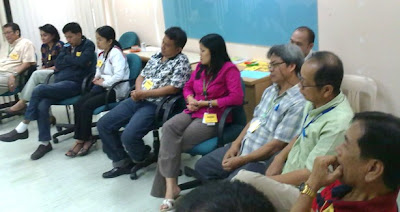
such were the stories shared in the post-typhoon disaster forum i facilitated at the national grid corporation of the philippines.
.
people have the impression that just because the worst of the typhoons is over and that the relief goods have been distributed, the typhoon survivors can now put their trauma behind them. but the sad truth is this: when calamity strikes, it deeply sears into one's heart what is known as the "death impact." it is the sense that life is frail, that everyone is vulnerable, and that death may be lurking at any corner, at any time.
.

a month has passed since the typhoon disaster happened but many typhoon survivors are still experiencing anxiety, fear, anger, sadness, and grief. some are now suffering from post-traumatic stress disorder or ptsd.
.
these people, they continue to need helping hands, listening ears, and compassionate hearts!
..


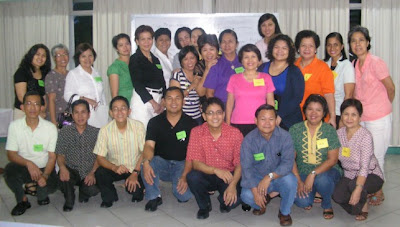


 This one-day workshop is facilitated by Randy S. Dellosa, M.D., Psy.D., a life coach, psychologist and psychiatrist. It will be held on October 24, 2009 at the University Hotel, UP Diliman, Quezon City from 9 am to 5 pm.


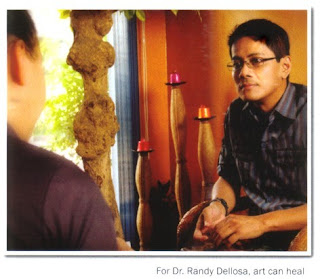


 He also thinks that this trend is more evident today because Filipinos have been repressed for so long. There were expectations to conform and not to speak up. “Historically, nandun na rin yung martial law, which was very repressive and pushed for conformity. After the 1980’s, nung nawala na si Marcos doon nag-boom yung opportunities for self-expression,” he relates.
 It also ties up with what’s happening economically. Parents are leaving as OFWs and children are being left on their own. And so the need for acceptance and belongingness is going to be met from outside of the family, so they will turn to their friends. Posting themselves on these sites and then receiving acceptance, that’s an opportunity to get the acceptance that they need,” Dr. Dellosa continues.
 Assuming that these kids’ parents are not around for them, Dellosa thinks that the schools should step up as they need to have greater awareness of this issue.